We Provide Timely Help When a Dental Injury Occurs

Emergency Dentist in Wilmington, NC

Emergency dentist in Wilmington, NC help is just a phone call away. If you're hurting, please call us at (910) 777-5023 right away. We'll do everything we can to see you quickly and get you comfortable.

1427 Military Cutoff Rd, Suite 105, Wilmington, NC 28403

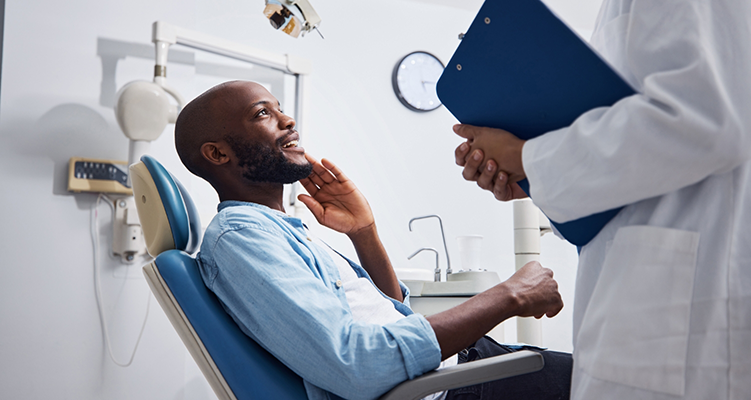
Man holding his cheek while talking to his emergency dentist in Wilmington
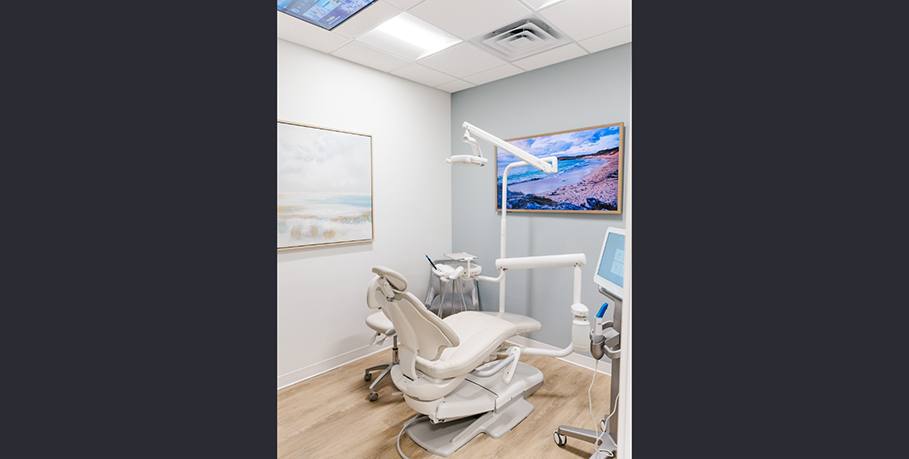
Treatment room with ceiling TV

Emergency Dentist in Wilmington, NC: What to Do Right Now

Dental emergencies rarely happen at a convenient time. If you have a toothache, a broken tooth, a lost filling or crown, or a knocked-out tooth, call Lundgren Dental at (910) 777-5023. We do our great to see emergency patients the same day.

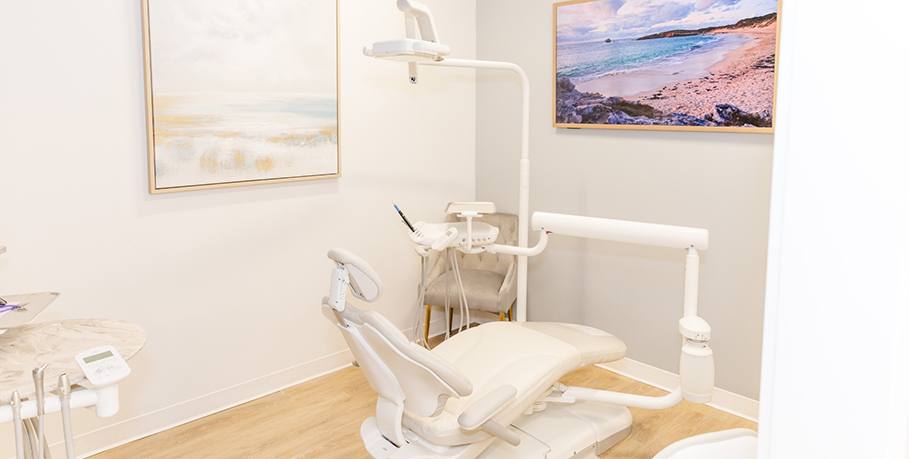
Treatment room

We Provide Timely Help When a Dental Injury Occurs

At Lundgren Dental, we never want our patients to suffer while experiencing a dental emergency. We recognize these injuries can happen at the most inconvenient times, which is why we offer same-day appointments for individuals needing immediate treatment. As an emergency dentist in Wilmington, Dr. Lundgren and our team stand by our promise to ensure optimal safety and comfort as well as timely assistance when a dental injury occurs. If you are experiencing a knocked-out tooth, a lost dental crown, or another similar situation, don’t hesitate to call our office right away.

Lundgren Dental reception area

How We Treat Dental Emergencies

  • Schedule an Emergency Appointment: The first step is to call our office and let a member of our dental team know of your injury. We will inquire about the situation and offer helpful ways to address the pain and prevent further damage while you wait for your appointment.
  • Undergo an Examination: You will be escorted to a treatment room upon your arrival so that we can take digital images and scans of your mouth. Dr. Lundgren will then evaluate the information and perform a visual examination to locate the problem area and its severity.
  • Analyze Findings: Once she compiles all the necessary information regarding your case, she will develop a treatment plan and go over it with you. This will include how she plans to address your dental injury, ensuring you receive complete transparency. If you have any questions, you can freely ask them and receive further clarification.
  • Receive Necessary Treatment: After you agree to the proposed treatment plan, we will begin to execute it using modern dental technology and precision-based oral healthcare.
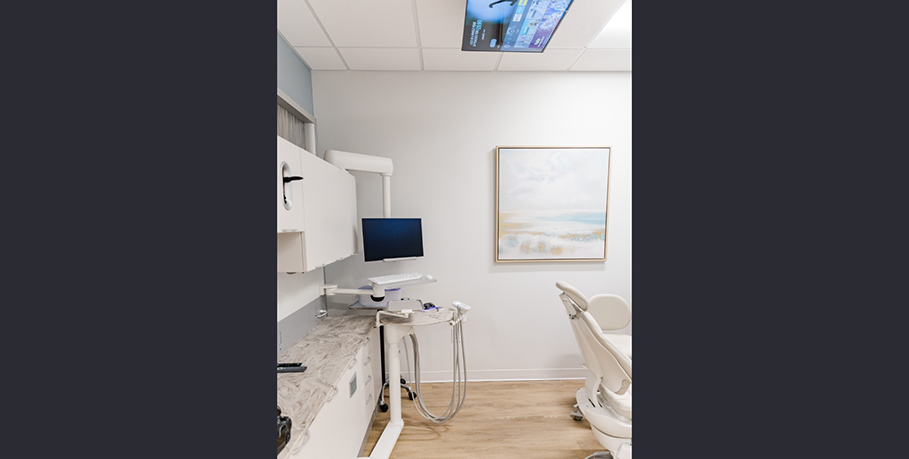
Treatment room

The Most Common Dental Emergencies

Is your dental injury a true emergency? You may not know, and that is okay! An important rule of thumb is to always call our office if you experience any pain or swelling inside your mouth or if you believe something simply does not feel right. We are skilled and equipped to address the most common dental emergencies, some of which are listed below.

Toothaches

Chipped Tooth

Cracked Tooth

Sensitivity to Hot & Cold

Knocked-Out Tooth

Lost Filling or Crown

Broken Denture

Loose Tooth

Gums, Lips or Tongue Injury

Jaw Pain or Clenching

Something Stuck Between Teeth

Understanding the Cost of Emergency Dentistry

Have questions about the cost of your care? Don’t hesitate to ask! We’re here to help with every aspect of the treatment process, from scheduling an emergency appointment to helping you navigate the finances. If you can’t get on the phone right now, you can continue reading for some helpful information on the factors that impact the price and the financial solutions available if you don’t have dental insurance.

Why Every Dental Emergency Is Different

Patients often assume that they can find an accurate estimate of the cost of emergency dentistry online. The reason that’s difficult is because there are so many factors to consider, from the type of dental injury to the restorative treatment needed to address it. Rest assured that our emergency dentist in Wilmington will review all of your treatment options and provide you with an estimate of the cost at your visit (after alleviating any pain you’re experiencing, of course).

Does Dental Insurance Cover Dental Emergencies?

Do you have dental insurance? If so, take a look at the fine print on your plan! You may find that it includes a complimentary emergency exam as well as a percentage of essential restorative care. There is often red tape that needs to be considered too, including waiting periods, annual maximums, and yearly deductibles. So, if you need any help navigating the ins and outs of your coverage, don’t hesitate to let us know! We’re happy to help however we can.

Other Options for Making Dental Emergencies Affordable

Currently uninsured? That’s okay, we have two other financial solutions:

  • Our In-House Dental Membership Plan, When you join, you get access to essential preventive care as well as a significant discount on other treatments completed at our office.
  • CareCredit Financing, Want to space out the cost of your care into smaller, more manageable chunks? Good news: you can with CareCredit!

How Taking Care of Your Smile Can Save You Money

Good oral hygiene habits, like brushing and flossing your teeth consistently, will go a long way in maintaining a healthy, happy smile. But that’s just the start. You also need to come to our office every six months for a checkup and cleaning (or sooner if you start to experience abnormal dental symptoms). Remember, cavities, infections, and other common oral health problems will only get worse if neglected. Simply put, getting the restorative care you need will save your smile and your wallet from harm!

Keys to Preventing Dental Emergencies

There’s a common misconception that dental emergencies are unavoidable. While accidents certainly can happen from time to time, many common injuries, from considerable chips to painful cracks, can often be avoided. If you’re not quite sure where to start, here are a few habits we recommend adopting (as well as several that should be avoided).

Visit Your Dentist Biannually

Remember, your biannual visits with Dr. Lundgren are so much more than a quick check for tooth decay. She also uses your routine appointments to screen for oral cancer, assess the health of your gums, and check the condition of any existing dental work, reducing your risk of serious dental injuries in the coming months. So, if it has been more than six months since your last visit, don’t wait, get your next one on the calendar!

Maintain Good Oral Hygiene At Home

Another crucial step is maintaining a solid at-home oral hygiene regimen. After all, if plaque and tartar have a chance to build up, it’s only a matter of time until you’re dealing with dental damage. a great thing to do is start with the basics, like brushing, flossing, and rinsing with mouthwash consistently. Then, incorporate additional healthy habits into your routine, like replacing your toothbrush (or toothbrush head) every three months so you aren’t using frayed, old, and dirty bristles.

Stick to a Nutritious Diet

Eating healthy, well-balanced meals doesn’t just benefit your overall health; it benefits the health of your teeth and gums as well. For that reason, we recommend keeping sugary and starchy snacks, like caramel-filled candies and potato chips, to a minimum. Instead, fill your plate with vitamin-rich, nutrient-dense foods, like seasonal fruits and vegetables.

Wear a Mouthguard During Sports

If you participate in a contact sport, like football, then wearing a mouthguard is required. However, even in non-contact sports, like skateboarding or rollerblading, dental damage can occur. That’s why it’s so important to protect your smile!

Tip: Do you grind or clench your teeth at night? Let us know! We can have a custom nightguard made to protect your teeth from the pressure, reducing your risk of chips, cracks, and other dental injuries in the process.

Don’t Use Your Teeth as Tools

If the scissors aren’t close by, do you use your teeth to remove plastic wrapping? If you need to remove a bottle cap, but your bottle cap opener is in the other room, do you use your teeth instead? Habits like these may seem harmless, but they dramatically increase your chances of winding up at our office with a painful dental injury. So, do your great to break bad habits like these.

Toothaches

Is My Toothache a Dental Emergency? Not necessarily. For example, if you just started to notice a twinge of discomfort when you bite down, then same-day care may not be necessary. Of course, we still recommend contacting our emergency dentist in Wilmington to make sure that the root of the problem is pinpointed and treated before it has a chance to develop further.

How You Should Handle a Toothache In addition to calling us, we recommend rinsing with warm saltwater, avoiding spicy and sugary foods, and taking OTC pain medication, if needed. It’s also a good idea not to chew on that side of your mouth to prevent additional discomfort.

How We Treat Toothaches Usually, toothaches are the result of untreated tooth decay. If that’s the case for you, then we will restore the look, health, and function of your tooth with a dental filling or crown.

Chipped Teeth

Is a Chipped Tooth a Dental Emergency? The urgency of the situation depends largely on the symptoms you’re experiencing. For example, if you’re dealing with considerable discomfort and sensitivity due to a significant chip, you shouldn’t hesitate to schedule an emergency appointment at our Wilmington office.

How You Should Handle a Chipped Tooth To prevent an infection from developing or the tooth from breaking further, we recommend rinsing gently with clean, room-temperature water and covering the edge with some sugar-free gum. Until your appointment, do your great not to place any pressure on the tooth either.

How We Treat Chipped Teeth There are several ways we can treat a chipped tooth, starting with cosmetic dental bonding. Veneers are another great option and, if you aren’t ready to commit to how permanent they are, we offer Lumineers as well. As always, we will review the pros of each during your visit so you can confidently decide which one is great for you.

Cracked Tooth

Is a Cracked Tooth a Dental Emergency? Even minor cracks warrant a visit to our office. So, don’t take the “wait and see” approach. Instead, call our dental team ASAP to share what happened and any symptoms you’re experiencing. Then, do what you can to protect your tooth from further harm until your visit.

How You Should Handle a Cracked Tooth Handling a cracked tooth properly largely comes down to what you should avoid. For example, you should avoid chewing on that side of your mouth, touching the tooth with your finger, and eating spicy, acidic, and sugary foods.

How We Treat Cracked Teeth Cracked teeth can often be restored with custom dental crowns. In cases where the damage is so severe that the tooth cannot be saved, we will need to extract it before filling the open space with a dental bridge or implant.

Very Sensitive Teeth

Are Very Sensitive Teeth a Dental Emergency? Not usually. Of course, there are a few exceptions, including if your symptoms are progressively getting worse. If that’s the case, you should call us ASAP to schedule an emergency exam.

How You Should Handle Very Sensitive Teeth Until your appointment, do your great to avoid doing anything that could exacerbate your symptoms, like drinking hot coffee or ice-cold water. You can also take OTC pain medication if needed. Just make sure to follow the directions on the label.

How We Treat Very Sensitive Teeth Before we can determine a great treatment, we need to determine the root of the problem. Oftentimes, it’s a cavity, which can be treated with a tooth-colored filling or dental crown. If it’s actually stemming from an active infection in your gums, then gum disease treatment is necessary.

Knocked-Out Tooth

Is My Knocked-Out Tooth a Dental Emergency? Yes! After all, the longer it takes to get the care you need, the less likely it is that the tooth can be saved. So, it’s important that you call our Wilmington dental team right away.

How You Should Handle a Knocked-Out Tooth Getting to our office within the hour is crucial. It’s also important that you do what you can to protect your tooth from further harm, like picking it up by the crown and placing it back in its socket to preserve the root surface cells (if it doesn’t slide back into position with ease, put it in a clean container filled with milk instead).

How We Treat Knocked-Out Teeth First, Dr. Lundgren will alleviate any pain you’re experiencing and see if your tooth can be saved. If it can’t, don’t worry, that doesn’t mean you’ll have a noticeable gap in your smile moving forward. Instead, she can replace your tooth with a custom dental bridge or implant.

Lost Filling or Crown

Is a Lost Filling or Crown a Dental Emergency? If you can’t get to our office the same day, don’t fret. That said, we do recommend coming in for an exam and the necessary restorative care right away if you can. That way, the risk of further dental damage diminishes significantly.

How You Should Handle a Lost Filling or Crown In addition to calling us to schedule an appointment (even if it’s a day or two from now), we recommend storing your restoration somewhere safe, rinsing periodically with clean, room-temperature water, and not chewing on that side of your mouth.

How We Treat Lost Fillings or Crowns Usually, it’s great to replace the existing restoration with a new one. Since we offer both tooth-colored fillings and CEREC same-day dental crowns, we can restore the look, health, and function of your tooth right away too!

Broken Denture

Loose Permanent Tooth

Injury to the Gums, Lips, or Tongue

Jaw Pain

Something Stuck Between the Teeth

Who It Suits

This treatment may be a good fit if you have:

  • Severe or throbbing tooth pain
  • A chipped, cracked or knocked-out tooth
  • A lost filling or crown
  • Swelling of the face or gums

The only way to know for sure is an exam with Dr. Lundgren.

What to Expect

  1. Call us. Tell us what happened and we will give you first-aid instructions and the next available time.
  2. Relief first. Dr. Lundgren finds the cause and focuses on getting you comfortable.
  3. Treatment plan. We explain your options and costs before treatment.
  4. Follow-up. If more care is needed, we schedule it before you leave.

Emergency Dentist FAQs

What should I do if a tooth is knocked out?

Pick it up by the crown, rinse gently, try to put it back in the socket or keep it in milk, and call us right away.

Should I go to the ER?

For uncontrolled bleeding, trouble breathing or swallowing, or facial swelling that is spreading, go to the emergency room or call 911.

Why Choose Lundgren Dental for Emergency Dentistry?

  • Same-Day Dental Emergency Appointments Available
  • Financing & In-House Membership Plan Offered

How We Treat Dental Emergencies

  • Schedule an Emergency Appointment: The first step is to call our office and let a member of our dental team know of your injury. We will inquire about the situation and offer helpful ways to address the pain and prevent further damage while you wait for your appointment.
  • Undergo an Examination: You will be escorted to a treatment room upon your arrival so that we can take digital images and scans of your mouth. Dr. Lundgren will then evaluate the information and perform a visual examination to locate the problem area and its severity.
  • Analyze Findings: Once she compiles all the necessary information regarding your case, she will develop a treatment plan and go over it with you. This will include how she plans to address your dental injury, ensuring you receive complete transparency. If you have any questions, you can freely ask them and receive further clarification.
  • Receive Necessary Treatment: After you agree to the proposed treatment plan, we will begin to execute it using the most advanced dental technology and precision-based oral healthcare.

LEARN MORE ABOUT DENTAL IMPLANTS

LEARN MORE ABOUT DENTAL IMPLANTS

Ready When You Are

Book online in a minute, or give us a call and we'll find a time that fits your day. We can't wait to meet you.

Lundgren Dental | 1427 Military Cutoff Rd, Suite 105, Wilmington, NC 28403 | (910) 777-5023