Who Can Invisalign Help?
Invisalign is a versatile orthodontic method that can address a wide range of mild to moderate alignment issues so patients can enjoy healthier and more beautiful smiles . Here’s a quick overview of the problems Invisalign can fix, but please contact the team at Lundgren Dental if you would like to know more.
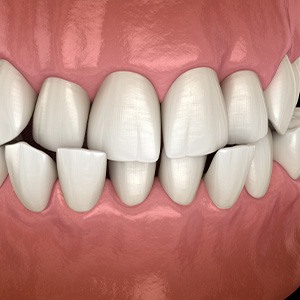
Crowded Teeth
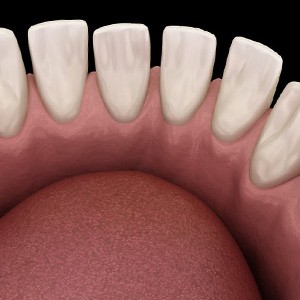
Many people’s teeth become more crowded with age. Teeth that overlap or are too close together are harder to clean, which can leave someone susceptible to a host of oral health issues like:
- Tooth decay
- Gum disease
- Jaw pain
- Difficulty eating
Invisalign can straighten out crowded teeth, which can make them easier to clean and safer from injury.
Gaps Between Teeth
Large spaces between the teeth can happen due to the way the jawbones developed, especially small teeth, or childhood habits like tongue-thrusting or thumb-sucking. Closing these gaps with Invisalign can protect the gums from injury and prevent accumulations of food debris, which can reduce the risk of oral inflammation, infection, and injuries.
Overbite
An overbite is when the top teeth are positioned too far ahead of the bottom ones, which can lead to speech difficulties, uneven enamel wear, jaw pain, or problems opening or closing the mouth. An overbite can also leave the top teeth more exposed to injury since it leaves them in a prominent position that isn’t well protected.
Underbite
An underbite refers to when the bottom teeth are positioned in front of the top teeth when the mouth is closed, which can happen due to oral injuries, hereditary conditions, tumors, or prolonged thumb-sucking during childhood. This issue can increase a person’s risk of sleep apnea and make it difficult for them to speak and chew. While it’s usually easier to correct an underbite in a younger patient, it’s still necessary to address the issue in older ones. Treating an underbite with Invisalign usually requires the use of rubber bands or other attachments to gradually shift the bite into a healthier alignment.
Crossbite
A crossbite happens when the bottom teeth are slightly in front of the upper ones, and it is usually due to genetic conditions, poor oral habits, or premature loss of baby teeth. While Invisalign aligners can fix this issue, doing so may require the use of elastics or other accessories to help realign the jaw. An unaddressed crossbite can lead to long-term problems like gum disease, tooth decay, jaw pain, speech issues, headaches, teeth grinding, facial asymmetry, and diminished confidence.
Open Bite
An open bite is when the top and bottom teeth do not touch or overlap when the mouth is closed, and it is usually caused by poor bone development or prolonged thumb-sucking during childhood. This issue can make it difficult to speak clearly and puts excessive strain on the back teeth during the chewing process, which increases their risk of infection. Invisalign can draw the top and bottom teeth closer together, which can enhance the beauty of the smile and prevent infections and injuries.